By Daniel Heider
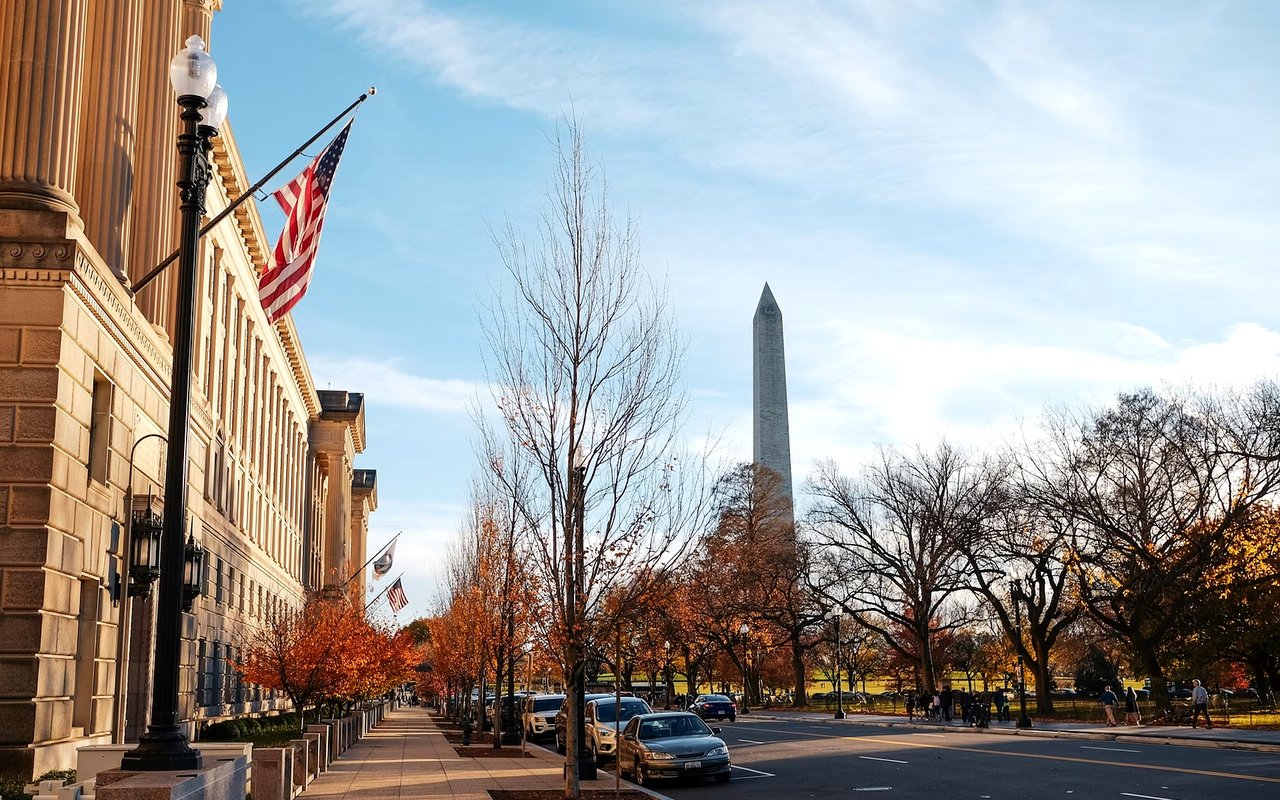
Washington has inherited and maintained an unusual degree of continuity, and that extends to its real estate. The residential market is governed less by short-lived momentum than value drivers like permanence, proximity, and architecture.
When people ask me why invest in Washington DC, I usually begin with the city’s structure, because structure explains far more here than hype ever could.
Key Takeaways
- Stability first: Washington rewards long-horizon thinking.
- Institutions matter: Federal, legal, and diplomatic anchors shape demand.
- Neighborhoods count: Context strengthens residential positioning.
- Discipline wins: Quality and restraint hold value over time.
Institutional Gravity Shapes the Market
Washington’s economy is organized around governance, law, diplomacy, research, and policy, which gives the city a distinct form of consistency.
Institutions That Reinforce Market Structure
- Federal core: The White House, Capitol complex, and agency network sustain a deep professional base.
- Diplomatic presence: Embassy Row and international missions reinforce long-term global relevance.
- Legal sector: Downtown firms and policy organizations support steady residential demand near the urban core.
- Research and think tanks: Institutions along Massachusetts Avenue and near Dupont Circle add another layer of continuity.
In my experience, the strongest answer to why invest in Washington DC starts with the durability of those systems and the neighborhoods connected to them.
Planning and Preservation Support Long-Term Credibility
Washington’s built environment is governed by height limits, historic districts, and a strong culture of review, which produces a market with clear visual discipline.
Local Rules That Strengthen Market Identity
- Height limitations: The city’s skyline remains controlled, which preserves light, monument views, and neighborhood legibility.
- Historic districts: Protected streetscapes help maintain architectural coherence in many established enclaves.
- Design review: Renovations and new construction often move through a more disciplined process.
- Limited land: Infill opportunities remain finite in many of the city’s most collected areas.
These constraints shape a market where scarcity is tied to policy and physical form as much as geography.
Neighborhoods Carry Distinct Kinds of Strength
Washington is a collection of highly differentiated neighborhoods, each with its own architectural language, residential rhythm, and institutional relationship.
Neighborhood Patterns I Watch Closely
- Georgetown: Historic form, walkability, and a tightly held housing stock support enduring demand.
- Kalorama: Embassy adjacency, grand architecture, and discretion give the area a rare level of prestige.
- West End: Full-service buildings and proximity to downtown institutions support a polished urban lifestyle.
- Capitol Hill: Federal proximity and a deep rowhouse fabric create a strong sense of continuity.
- Spring Valley: Larger lots and a quieter residential pattern appeal to households seeking space within the District.
I always encourage a close reading of location because the case for long-term ownership in Georgetown differs from the case for the West End, Kalorama, or Spring Valley.
Architecture Holds Meaning Here
In Washington, architecture functions as more than style because it often signals permanence, stewardship, and neighborhood fit.
Residential Forms That Carry Weight
- Federal rowhouses: Their proportion and material clarity continue to anchor many of Washington’s strongest blocks.
- Beaux-Arts residences: Formal planning and durable construction support long-term relevance.
- Victorian homes: These bring texture and depth to neighborhoods like Dupont Circle and Logan Circle.
- Contemporary condominiums: In the right location, disciplined modern buildings can support elegant urban living.
Design integrity and neighborhood alignment can strengthen residential credibility in a way that remains legible over time.
Washington Supports a Long-Horizon Mindset
This city tends to reward patience, context, and disciplined decision-making rather than quick reactions to passing market language.
Reasons the Long View Works Here
- Enduring demand drivers: Government, law, diplomacy, and research support lasting relevance.
- Established prestige corridors: Areas like Massachusetts Avenue Heights and Embassy Row carry durable recognition.
- Strong local identity: Washington’s neighborhoods feel distinct and well defined.
- Measured change: The city evolves through structure, review, and precedent.
For clients considering a multiyear holding period, Washington often stands out because the city’s institutions and planning logic support consistency across cycles.
FAQs
Why does Washington tend to attract long-horizon real estate interest?
I believe it comes down to institutions, planning discipline, and neighborhood identity. Those factors give the market a steadier foundation than cities shaped mainly by faster-moving growth narratives.
Which Washington neighborhoods best reflect long-term value?
Georgetown, Kalorama, the West End, Capitol Hill, and Spring Valley each offer a different version of long-term strength. The right fit depends on architecture, lifestyle, and how closely someone wants to live to the city’s institutional core.
Does architecture really affect value that much in Washington?
Yes, because architecture here is closely tied to neighborhood credibility and preservation culture. Homes that align with the surrounding context often hold their place in the market with greater consistency.
Contact Daniel Heider Today
Institutions, planning rules, architecture, and local lifestyle patterns come together across the District’s luxury market. If you are considering Georgetown, Kalorama, the West End, Capitol Hill, or Spring Valley, I can help you evaluate each neighborhood through the factors that make Washington distinct.
Reach out to me, Daniel Heider, if you want a clearer view of how long-horizon value works in Washington, DC.
Reach out to me, Daniel Heider, if you want a clearer view of how long-horizon value works in Washington, DC.