
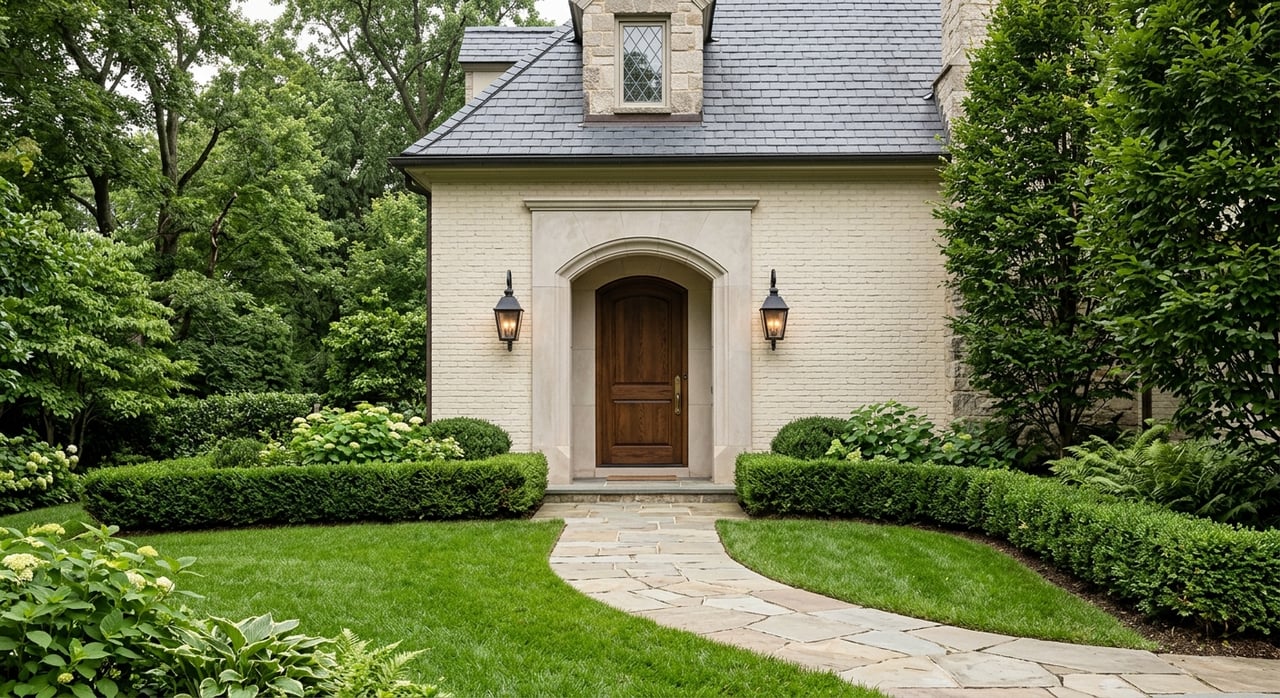
If you are selling a luxury home in Spring Valley, you are not just listing square footage. You are bringing a highly specific property to market in one of Northwest DC’s most design-sensitive micro-markets. That can create real opportunity, but it also raises the stakes on pricing, presentation, and timing. This guide will show you how to position your home thoughtfully, avoid common mistakes, and prepare for a smoother sale. Let’s dive in.
Why Spring Valley Works Differently
Spring Valley should be viewed as its own micro-market, not as a generic Washington housing story. It sits within a cluster of established Northwest DC neighborhoods and is closely associated with other high-end areas nearby, which shapes buyer expectations from the start.
The neighborhood’s development history also matters. District preservation materials describe Spring Valley and nearby Wesley Heights as planned residential subdivisions with consistent standards and strong architectural character. In practical terms, buyers here tend to notice lot size, privacy, landscaping, and exterior presentation just as much as interior finishes.
That is why selling well in Spring Valley usually requires a more tailored approach than a standard citywide listing plan. A detached luxury home here is often judged on the full experience of the property, from curb appeal to how the architecture sits on the site.
Spring Valley Market Snapshot
Recent data point to a premium market that is still active. Realtor.com reported a May 2026 median listing price of $2.545 million, with 23 homes for sale and a median 24 days on market. Redfin showed a similar picture, with a $2.6 million median sale price over the prior three months and an 18-day median days on market.
That pace is notably different from the broader DC market. DC Realtors reported a citywide median sold price of $675,000 and an average 56 days on market in March 2026. For sellers, that gap is a reminder that Spring Valley pricing should be built around local luxury comps, not broad DC averages.
Even so, high price point alone does not guarantee a quick sale. Regional reporting shows the Washington luxury market has remained competitive, but not every high-end listing moves quickly. In Spring Valley, the market tends to reward precision rather than aspiration.
Price With Precision
One of the biggest mistakes luxury sellers make is assuming that rarity alone will carry the pricing strategy. In Spring Valley, buyers are often comparing properties based on nuanced factors such as architectural style, renovation quality, privacy, and lot presence. That means the right price usually comes from the best local match, not the highest nearby number.
Because homes in this neighborhood can move in roughly two to four weeks when priced well, overpricing can quickly work against you. A home that feels slightly ahead of the market may sit long enough for buyers to start asking what they are missing.
A more effective strategy is to position the home where serious buyers can recognize the value immediately. In a neighborhood like Spring Valley, confidence comes from disciplined pricing supported by the property’s specific strengths.
Lead With Architecture and Setting
In Spring Valley, preparation should start with the property itself. The neighborhood is known for large detached homes, mature surroundings, and a planned residential character, so the strongest listings often highlight curb appeal, landscape, entry sequence, natural light, and the home’s original design language.
That does not mean every house needs dramatic changes before going live. More often, it means making sure the home reads clearly and cohesively, both in person and in photography. Buyers in this market tend to respond to homes that feel polished, proportional, and true to their architecture.
For design-conscious sellers, this is where thoughtful guidance can make a real difference. Strategic edits can help buyers focus on what matters most, rather than getting distracted by rooms that feel crowded, dated, or unclear in purpose.
Focus on Exterior First Impressions
The exterior carries unusual weight in Spring Valley. Because the neighborhood is associated with mature landscaping, privacy, and strong architectural consistency, buyers often form their first opinion before they step through the front door.
Simple improvements can have an outsized effect. Clean hardscaping, trimmed plantings, refreshed paint where needed, and a clear, elegant entry can help the home feel well cared for and market-ready.
Keep Staging Restrained
Luxury staging in this market generally works best when it feels edited rather than excessive. The goal is to help each room photograph well and feel functional, while still leaving visual space for the architecture.
In other words, buyers should notice the house before they notice the furniture. A restrained approach often supports a more refined presentation, especially in homes with strong bones, formal rooms, or distinctive detailing.
Prepare Before You Launch
In a market where well-positioned homes can move quickly, it is usually smarter to handle cleaning, repairs, and furniture edits before listing rather than after launch. Once a property is live, days on market become part of the story buyers tell themselves.
That makes pre-listing preparation especially important. If buyers see deferred maintenance, incomplete repairs, or presentation issues, they may assume there are deeper problems, even when the fix is minor.
A clean launch helps you control the narrative from day one. It also gives your photography, showings, and private outreach the best chance to create immediate momentum.
Pay Attention to Older Housing Stock
A meaningful share of Spring Valley’s housing stock dates to the 1930s through 1950s. Because of that age profile, pre-1978 lead-based paint disclosure is often relevant for sellers in the neighborhood.
If your home was built before 1978, it is wise to review disclosure requirements early in the process. Gathering documents and discussing any needed testing or contractor planning ahead of time can help reduce stress once the property is ready to go live.
Market to the Right Buyers
Luxury marketing in Spring Valley should balance broad exposure with selective access. Reporting on the Washington-area luxury segment suggests that many upper-end buyers are less rate-sensitive, a notable share of $2 million-plus sales have been all-cash, and some buyers are actively waiting for off-market or lightly marketed opportunities.
That is one reason a generic, open-house-heavy approach may not be enough for a high-value property here. Professional visuals, polished listing materials, broker previews, and targeted private outreach can all play an important role in reaching the right audience.
For a distinctive home, the story matters. Marketing should reflect the property’s architecture, setting, scale, and finish level in a way that feels specific and credible, not broad or overly promotional.
Stay Organized on Disclosures and Closing Costs
DC requires a seller to deliver a residential real property disclosure statement before or at the time the buyer signs the purchase agreement. The disclosure addresses known defects and includes information on items such as structural systems, plumbing, electrical, heating and air conditioning, appliances, fixtures, insulation, infestation, and water and sewer systems.
In addition, DC broker rules require disclosure of known material adverse facts in a residential transaction. For a luxury seller, that makes documentation especially important. Keeping a clear record of repairs, inspections, invoices, and other property documents can support a cleaner transaction.
Transfer taxes also deserve attention at Spring Valley price points. According to the DC Office of Tax and Revenue, the residential deed transfer tax is 1.45% for transfers of $400,000 or more. Since most Spring Valley homes sell well above that threshold, sellers should expect the higher transfer-tax tier to apply.
Property taxes may also matter if you are planning your next move. DC’s current Class 1B owner-occupied residential tax rate is $0.85 per $100 of assessed value up to $2.558 million, then $1.00 per $100 above that point. With recent Spring Valley sale prices hovering around $2.5 million to $2.6 million, many sellers are operating close to that line.
Because legal, title, and tax questions can vary by property and situation, it is smart to confirm details with your attorney, CPA, and settlement team early.
What Luxury Sellers Should Remember
Spring Valley rewards thoughtful execution. Buyers are often evaluating the complete package of architecture, lot, privacy, condition, and presentation, and they tend to recognize when a home has been brought to market with care.
That means your best result may come from a process that feels more curated than rushed. Strong pricing, design-aware preparation, and neighborhood-specific marketing can help your home stand out for the right reasons.
If you are considering a sale in Spring Valley and want a refined, strategic approach, Daniel Heider can help you position your home with discretion, market insight, and design-driven guidance.
FAQs
What makes selling a luxury home in Spring Valley different from selling elsewhere in DC?
- Spring Valley is a premium Northwest DC micro-market where buyers often focus closely on architecture, lot size, privacy, landscaping, and presentation, not just square footage or citywide pricing trends.
How fast do luxury homes in Spring Valley typically sell?
- Recent market snapshots showed median days on market ranging from 18 to 24 days, which suggests well-priced and well-prepared homes can move relatively quickly.
How should you price a Spring Valley luxury home?
- Pricing should be based on neighborhood-specific comparable sales and factors like architecture, renovation quality, lot presence, and privacy rather than broad DC averages.
What should sellers do before listing a Spring Valley home?
- Sellers should focus on pre-listing cleaning, repairs, furniture edits, landscaping, and overall presentation so the home launches in its strongest possible condition.
Do older Spring Valley homes have special disclosure concerns?
- Yes. Because many homes in Spring Valley were built between the 1930s and 1950s, pre-1978 lead-based paint disclosure may apply and should be reviewed early.
What disclosures are required when selling a home in Washington, DC?
- DC requires a residential real property disclosure statement before or at the time the buyer signs the purchase agreement, covering known defects and major property systems and features.
What transfer tax should Spring Valley sellers expect in DC?
- According to the DC Office of Tax and Revenue, residential transfers of $400,000 or more are generally subject to a 1.45% deed transfer tax, which typically applies at Spring Valley price points.