
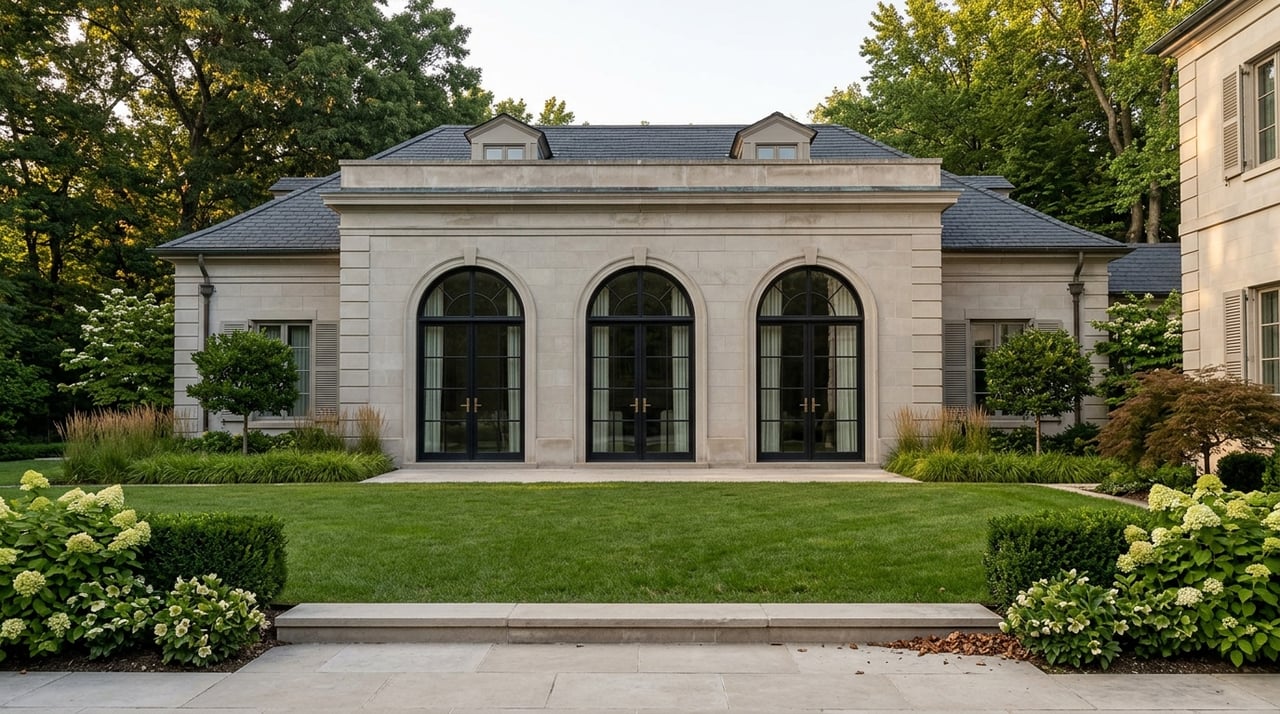
If you are considering an estate-scale move in the Washington area, Potomac often enters the conversation quickly. It offers a name with lasting prestige, a residential setting shaped by land and privacy, and a quieter rhythm than more urban luxury markets nearby. If you are trying to decide whether that lifestyle truly fits the way you want to live, this guide will help you weigh the tradeoffs clearly. Let’s dive in.
Potomac at a glance
Potomac is best understood as a semi-rural to suburban residential area with enduring green character. Montgomery County planning materials describe a place that evolved from rural and agricultural roots while retaining its environmental quality, with sustainability treated as a leading policy priority.
For you as a buyer, that means Potomac is not primarily about a dense, walkable town-center experience. It is more often about space, setbacks, mature landscapes, and a home environment that feels established and residential.
What estate buyers usually find here
One of Potomac’s strongest draws is its low-density housing pattern. Planning documents note that parts of the subregion include single-family neighborhoods on quarter-acre and half-acre lots, while other residential areas are defined by predominantly two-acre and five-acre parcels.
That range matters. It means Potomac can appeal to buyers who want an estate feel without requiring a fully rural property, as well as those who are specifically looking for larger acreage and more separation from neighboring homes.
County zoning also supports this spacious character in many areas. For example, the R-200 zone requires a minimum net lot area of 20,000 square feet, or about half an acre, reinforcing the sense of room that many buyers associate with Potomac.
Potomac is not one-note
It is easy to think of Potomac as a market of traditional large homes only, but the architectural story is more varied. Montgomery Planning highlights communities such as Potowmack Preserve, a 159-home contemporary neighborhood built in 1970, and The Hilltop, a 10-acre woodland setting with 32 modernist houses.
For design-conscious buyers, that variety can be a meaningful advantage. If you appreciate architecture and want more than a standard estate formula, Potomac offers pockets where design and setting work together in a distinctive way.
Privacy and land are the real lifestyle drivers
If your top priorities include privacy, outdoor space, and a long-term residential feel, Potomac can be a strong match. The area tends to suit buyers who value larger setbacks, a quieter daily environment, and homes that allow for more flexible living.
That flexibility can matter in many ways. Buyers looking for room to host, work from home, or create multi-generational living arrangements often find Potomac appealing because the housing stock and lot patterns can support those needs better than denser close-in locations.
What daily life feels like
Before you make a move, it is important to understand the rhythm of daily life in Potomac. Planning materials identify Potomac Village as the commercial heart of the area, centered at Falls and River Roads, but they also note that it remains largely auto-oriented with limited pedestrian and bicycle facilities.
In simple terms, Potomac is generally a car-first market. If you enjoy getting in the car for errands, activities, and social plans, that may feel perfectly natural. If you want to walk to a wide mix of shops, restaurants, and services on a regular basis, this may feel more limited than other nearby luxury markets.
River and park access add appeal
For many estate buyers, Potomac’s connection to the river landscape is part of the appeal. The MacArthur Boulevard and Great Falls area is especially important if you want easier access to scenic surroundings, recreation, and Potomac River views.
The C&O Canal entrance station is located on MacArthur Boulevard in Potomac, and the towpath offers a direct connection to the river environment. River Road is also identified by Montgomery Planning as a major bikeway connection used by both commuters and recreational cyclists.
If your idea of luxury living includes easy access to open space, long outdoor routes, and a strong sense of natural setting, Potomac has a compelling case to make.
Equestrian reputation with a caveat
Potomac has long been associated with horse country, and that reputation has roots in broader Montgomery County land use. The county’s Horse Study reports more than 1,000 horse properties and more than 20,000 acres devoted to horse farms.
That said, it is wise to verify current equestrian amenities carefully. Montgomery Parks notes that the Potomac Horse Center ceased operations in July 2024, so you should not assume legacy services are still available simply because the area has an established equestrian identity.
How Potomac compares to Bethesda
If you are deciding between Potomac and Bethesda, the key difference is lifestyle structure. Montgomery Planning describes downtown Bethesda as a thriving urban center with pedestrian-friendly streets, mixed-use redevelopment, and new parks and open-space investments around a Metro-oriented core.
For you, that usually means Bethesda is the more practical choice if walkability, transit access, and daily convenience are high on your list. Potomac is generally the better fit if you are willing to trade that urban ease for more land, privacy, and a quieter residential atmosphere.
How Potomac compares to Great Falls
Great Falls often comes up for buyers who want even more seclusion. Fairfax County describes its riverfront sector as a landscape of parkland, undeveloped land, estates, farms, and large-lot subdivisions, with planning that maintains two-acre and five-acre density and emphasizes low-density rural character.
Compared with Potomac, Great Falls is typically more spread out and more secluded. Potomac may feel like a middle ground if you want estate character and room to breathe, but not the same degree of rural separation.
How Potomac compares to McLean
McLean offers another useful comparison because it combines large-lot residential areas with clearer mixed-use and transit-oriented nodes. Fairfax County describes McLean as predominantly stable, low-density residential, with many homes on large wooded lots and private drives in river-adjacent areas, while also pointing to major mixed-use centers in the broader community.
That creates a different balance from Potomac. If you want estate-style streets with somewhat stronger access to larger commercial and urban nodes, McLean may appeal. If you prefer a more consistently residential identity without that same internal split, Potomac may feel more coherent.
Who Potomac tends to suit best
Potomac tends to work well for buyers who want their home to feel like a retreat. You may be especially well matched to the area if you value:
- Larger lots and greater setbacks
- Privacy and mature landscaping
- Outdoor space for entertaining or everyday living
- Flexible interior and exterior use
- A long-term residential setting
- Comfort with a car-oriented routine
For many relocation buyers, that combination can be very attractive. It gives you a sense of calm and permanence that is harder to achieve in denser urban markets.
Who may want a different fit
Potomac is not ideal for every luxury buyer. If you want spontaneous walkability, more transit convenience, or a dense retail grid close to home, planning materials suggest Bethesda will usually be a better match.
This is why lifestyle alignment matters as much as square footage. A beautiful estate does not feel right if the surrounding pattern of daily life conflicts with how you actually want to live.
Key questions to ask yourself
If you are seriously considering Potomac, it helps to be honest about your priorities before you start touring homes. Ask yourself:
- Do you want land and privacy more than walkability?
- Are you comfortable with a car-first routine?
- Do you want room for long-term flexibility in how the home lives?
- Are river access, open space, and greenery part of your ideal setting?
- Would you prefer a more residential atmosphere over an urban luxury environment?
Your answers will usually make the decision clearer. Potomac shines when your lifestyle goals align with its low-density, green, and residential character.
The bottom line on Potomac
Potomac can be an excellent fit for an estate-scale move if you are seeking privacy, space, and a refined residential setting within the greater Washington region. It offers a strong sense of permanence, access to river and park landscapes, and housing options that range from classic large-lot homes to more design-forward enclaves.
At the same time, it is important to choose Potomac for what it is, not for what nearby markets offer. If you want a home centered on land, quiet, and long-term livability, Potomac deserves serious attention. If you want a more urban rhythm, another market may serve you better.
If you are weighing Potomac against Bethesda, McLean, or other luxury enclaves in the Capital Region, working with an advisor who understands design, setting, and cross-market lifestyle fit can make the process far more precise. To explore your options with thoughtful guidance, connect with Daniel Heider - Main Site.
FAQs
Is Potomac, MD a good place for an estate-style home?
- Yes. Potomac is known for low-density residential patterns, with neighborhoods that include half-acre, two-acre, and five-acre settings depending on the area.
Is Potomac, MD walkable for daily errands?
- Potomac Village serves as the area’s commercial heart, but planning materials describe it as largely auto-oriented with limited pedestrian and bicycle facilities.
How does Potomac, MD compare with Bethesda for luxury buyers?
- Potomac generally suits buyers seeking privacy, land, and a quieter residential setting, while Bethesda is usually better for buyers who prioritize walkability, mixed-use convenience, and transit access.
Are there design-forward homes in Potomac, MD?
- Yes. Planning sources highlight communities such as Potowmack Preserve and The Hilltop as examples of contemporary and modernist housing within the broader Potomac market.
Does Potomac, MD have access to outdoor recreation?
- Yes. The MacArthur Boulevard and Great Falls area connects buyers to the C&O Canal, the towpath, and scenic access to the Potomac River landscape.
Is Potomac, MD still known for equestrian properties?
- Yes, the broader county remains associated with horse properties and horse farms, but buyers should verify current equestrian amenities because the Potomac Horse Center ceased operations in July 2024.