If you want room to breathe without losing touch with Washington, Great Falls has a way of getting your attention. For many buyers, the appeal is not just a larger home. It is the feeling of living in a quieter landscape shaped by wooded lots, river parkland, and a slower daily rhythm. If you are trying to decide whether that lifestyle fits the way you want to live, this guide will walk you through what Great Falls really offers. Let’s dive in.
What Great Falls feels like
Great Falls is part of Fairfax County on the Virginia side of the Potomac, but it often feels more like a retreat than a typical suburb. Fairfax County planning describes the area with parkland, undeveloped land, estates, farms, and large-lot subdivisions. That pattern helps explain why the community feels set apart from denser parts of the Washington region.
At the same time, the area remains connected to the broader metro. Great Falls Park is about 15 miles from the Nation’s Capital, which gives you a useful sense of location. You can enjoy a more secluded home base while still staying within reach of Washington.
Why privacy stands out
In Great Falls, privacy is not limited to what happens inside a property line. It is built into the surrounding setting. Fairfax County planning has long emphasized two-acre and five-acre residential density in order to preserve the area’s rural character.
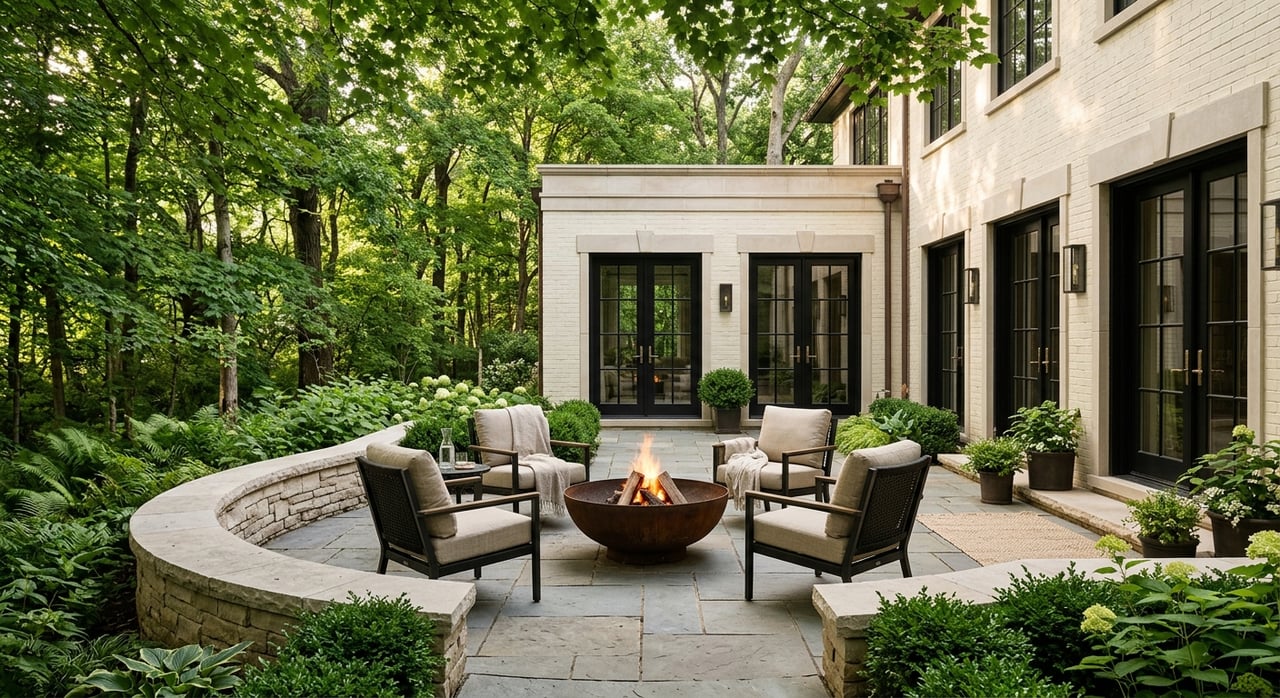
That matters if you value quiet, setbacks, and a sense of separation from neighboring homes. Large lots, wooded surroundings, and park buffers create a lifestyle where space feels like part of the design. For many buyers, that is the defining difference between Great Falls and a more conventional luxury neighborhood.
Estates and large-lot homes
Housing in Great Falls is shaped by its low-density plan. Fairfax County’s master plan identifies the area as predominantly residential with a large-lot character, and it expects much of the surrounding development to remain on two- to five-acre single-family lots.
In practical terms, that usually means detached homes, longer driveways, deeper front setbacks, and more tree coverage. You are less likely to find a compact neighborhood grid and more likely to find homes that sit comfortably within the land around them. That layout supports both privacy and a stronger connection to the natural setting.
A setting with architectural presence
Great Falls also carries a sense of history that adds texture to its residential identity. The Great Falls Grange, built in 1929, remains the last standing unaltered grange hall in Virginia and continues to serve as a community gathering place. Turner Farmhouse, built in 1905, adds another historic touch within a larger public park setting.
These landmarks do not define every home in the area, but they help reinforce the community’s character. Great Falls feels established, rooted, and visually distinct from places shaped mainly by newer suburban growth. For design-conscious buyers, that kind of context can matter just as much as square footage.
Nature is part of daily life
One of the biggest lifestyle draws in Great Falls is how easily outdoor time can become part of your routine. This is not just a place with a nearby park. It is a place where major natural assets help shape the entire experience of living there.
Great Falls Park is the signature example. The National Park Service describes it as an 800-acre park with more than 15 miles of hiking, biking, and horseback-riding trails, along with three overlooks and access to the Potomac Heritage National Scenic Trail.
The way you experience the park also says something about the area. The falls are reached by parking and walking rather than by driving directly to them, which gives the outing a more intentional, destination-like feel. It is well suited to residents who enjoy building time outdoors into the rhythm of the week.
Riverbend Park offers quieter access
Riverbend Park adds a more everyday version of Potomac living. Fairfax County describes it as a park on the Potomac River just upstream from Great Falls Park, with more than 400 acres of forest and meadow, along with birdwatching, fishing, boating access, picnic areas, and trails connected to the Potomac Heritage Trail.
If Great Falls Park is dramatic and iconic, Riverbend can feel more relaxed and routine-friendly. It supports the idea that living here is not only about scenic views. It is also about having meaningful access to open land and the river on a regular basis.
Trails, woods, and rugged scenery
If you like more varied outdoor options, the surrounding area gives you that too. Scott’s Run Nature Preserve offers steep wooded trails, access to the Potomac Heritage Trail, and a setting within the Potomac Gorge.
That variety is important. Great Falls is not only about manicured lawns and estate homes. It also offers a deeper connection to woods, trails, and rugged river landscapes, which broadens its appeal for buyers who want nature to feel close and real.
Equestrian and open-field appeal
Turner Farm adds another layer to the lifestyle picture. Fairfax County says the former dairy farm includes almost 40 acres of open fields for general riding, plus a novice cross-country course, a large outdoor arena, a round pen, and other equestrian facilities open to the public during the day.
Even if you are not an equestrian buyer, that kind of amenity helps define the area’s personality. It reinforces the sense of open space and a more rural edge, which is increasingly hard to find this close to Washington.
The daily rhythm is quieter
Great Falls is not built around a dense commercial corridor or a highly walkable town center. Instead, daily life is anchored by a smaller group of civic and recreational places. Fairfax County describes Great Falls Library as a community gathering place, while the Grange and Turner Farm support community, recreational, and educational use.
That creates a very specific kind of lifestyle. You are choosing space, calm, and outdoor access over urban buzz and constant activity. For the right buyer, that tradeoff is not a drawback. It is the point.
Who Great Falls may suit best
Great Falls often appeals to buyers who want more than a luxury home. They want a different pace and a different visual environment. The combination of estate-scale homes, preserved land, and access to the Potomac creates a setting that feels private and composed.
You may find Great Falls especially compelling if you are looking for:
- A large-lot single-family home
- Greater privacy from neighboring properties
- A more semi-rural setting within the Washington region
- Daily access to trails, parkland, and river scenery
- A quieter lifestyle with less emphasis on walkability
For relocation buyers and move-up buyers in particular, the key question is often not whether Great Falls is convenient enough. It is whether its lower-density, nature-forward lifestyle matches the way you want to live day to day.
The tradeoff to understand
Every market has a defining compromise, and Great Falls is no different. Here, the tradeoff is clear. You gain land, privacy, and outdoor access, but you give up some of the immediacy and energy that come with denser urban or close-in suburban neighborhoods.
That does not make one choice better than another. It simply means Great Falls is best appreciated by buyers who value room, quiet, and a landscape that feels protected. If that is what you are after, the area offers a distinct lifestyle that is hard to replicate elsewhere in the Washington region.
Why lifestyle fit matters in Great Falls
In a market like Great Falls, lifestyle fit matters as much as the house itself. A home can be beautifully designed and generously scaled, but the setting is what shapes everyday experience. Here, that setting includes mature tree canopies, estate-style spacing, historic community touchpoints, and direct access to some of the region’s most notable parkland.
That is why buyers often need more than a list of property features. They need a clear read on how the area lives, what the tradeoffs feel like, and whether the atmosphere matches their priorities. In Great Falls, that context is essential.
If you are considering a move to Great Falls or weighing it against other luxury markets in the DC region, a thoughtful local perspective can help you compare not just homes, but lifestyles. To explore your options with informed, design-aware guidance, connect with Daniel Heider.
FAQs
What types of homes define the Great Falls, VA lifestyle?
- Great Falls is defined largely by large-lot single-family homes, estate-scale properties, farms, and other low-density residential development, according to Fairfax County planning.
What is the biggest lifestyle draw in Great Falls, VA?
- The biggest draw is the combination of Potomac River scenery and preserved parkland, including Great Falls Park, Riverbend Park, and nearby nature preserves that make outdoor access part of daily life.
Is Great Falls, VA convenient to Washington, DC?
- Yes. Great Falls Park is about 15 miles from the Nation’s Capital, so the area can feel secluded while still remaining connected to the Washington region.
Is Great Falls, VA more about privacy or walkability?
- Great Falls is generally more about privacy, space, and outdoor access than walkability, based on its low-density planning pattern and community layout.
What makes Great Falls, VA feel different from other luxury suburbs?
- Its mix of large lots, wooded settings, park buffers, river access, and a quieter daily rhythm gives Great Falls a more retreat-like, semi-rural feel than many other luxury communities in the Washington area.