
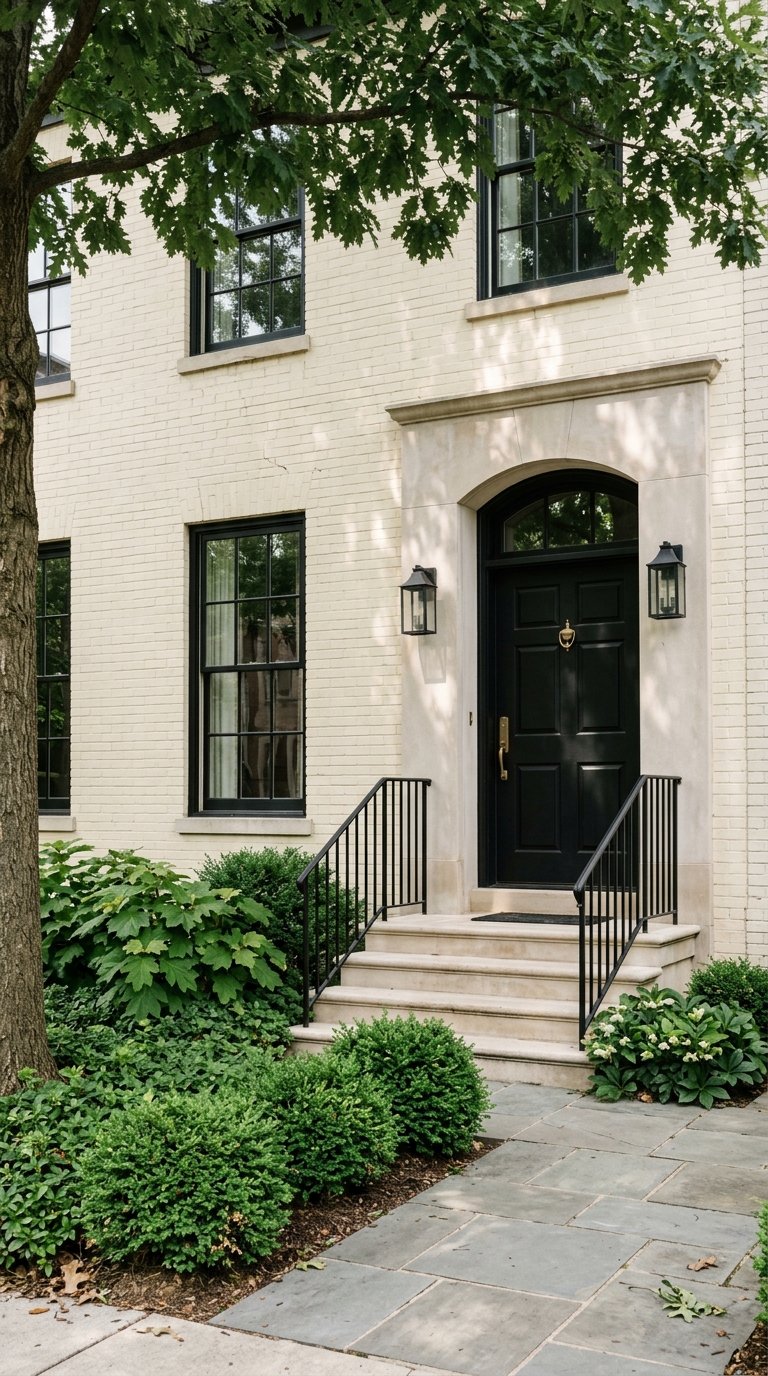
If you are searching for luxury in Washington, few neighborhoods create as much interest as Georgetown. The appeal is easy to understand: historic architecture, a walkable commercial core, waterfront access, and a housing mix that feels more varied than many prime DC neighborhoods. If you want to understand what luxury living in Georgetown really looks like, this guide will help you compare rowhouses, condos, carriage houses, and the trade-offs that come with each. Let’s dive in.
Why Georgetown Luxury Stands Apart
Georgetown is one of Washington’s most notable historic neighborhoods, and that status shapes both its character and its housing. The Georgetown Historic District was created in 1950, was the first historic district in Washington, and is also a National Historic Landmark. It contains roughly 3,033 buildings, with 88% of the current building stock constructed after 1870.
That history helps explain why Georgetown offers more than one version of luxury. You will find classic rowhouses, later apartment and condo buildings, and distinctive secondary structures such as carriage houses. In practice, that gives buyers a wider set of lifestyle options than the phrase “Georgetown luxury home” might suggest at first glance.
Georgetown also functions differently from many other residential neighborhoods in DC because it has a strong commercial core. The Georgetown BID notes more than 470 shops, restaurants, and institutions in the neighborhood, along with the C&O Canal, Georgetown Waterfront recreation, Book Hill, and the Georgetown Design District. For many buyers, that mix adds daily convenience and energy to the experience of living here.
Georgetown Luxury Market Snapshot
Georgetown remains firmly in the upper tier of the DC housing market. Recent Redfin data from May 2026 show a median sale price of $1,524,487, with homes typically selling in 41 days and at about 99.0% of list price. Realtor.com’s June 2026 snapshot shows a median listing price of $1,575,000, 83 active listings, and 47 median days on market.
Those headline numbers are useful, but Georgetown is a neighborhood where averages can hide a lot. A full-service condo, a renovated rowhouse, and a larger detached home can sit at very different price points. Your actual budget range will depend heavily on the type of property, level of service, outdoor space, parking, and degree of historic character you want.
For context, Georgetown pricing sits in the same broad upper-tier conversation as several other established DC luxury areas. At the same time, the neighborhood’s product mix is unique enough that direct one-to-one comparisons can be misleading. In Georgetown, what you buy matters just as much as where you buy.
Historic Rowhouses and Townhouses
For many buyers, Georgetown luxury begins with the rowhouse. The neighborhood’s built environment includes early townhouses and long rows of later Victorian housing, with styles such as Italianate, Queen Anne, and Romanesque Revival. That architectural variety is part of what gives Georgetown its depth and visual interest.
These homes are not all the same. Some are compact and highly polished, while others are larger trophy properties with substantial scale and more private outdoor space. Current listing examples range from around $1.425 million for a renovated Georgetown home to $4.595 million and $7.995 million for townhouses, with detached properties reaching even higher.
A rowhouse often appeals if you want autonomy, privacy, and a strong sense of place. You may gain features such as terraces, patios, gardens, or courtyard-style settings that feel rare in a dense urban neighborhood. You also tend to get a home with a distinct layout and architectural personality rather than a more standardized living experience.
Another detail buyers notice quickly is that Georgetown can feel physically different from newer neighborhoods. Because of 19th-century street re-grading, some buildings sit above or below current street level. That can create unusual facades, entry sequences, and lower-level spaces that are very much part of Georgetown’s character.
Carriage Houses and Alley Compounds
One of Georgetown’s most interesting luxury categories is the carriage house or compound-style property. Historic records note that behind many rowhouses sit associated domestic buildings and outbuildings, including alley dwellings, stables, and carriage houses. Georgetown also has one of the largest concentrations of alley buildings in DC historic districts.
For a luxury buyer, that history can translate into flexibility. A carriage house may serve as a studio, guest suite, office, gym, or other secondary living area. That kind of adaptable space is especially appealing if you want privacy without giving up the neighborhood’s central location.
Recent listings show how valuable this setup can be. A property on Q Street NW has been marketed as a rare compound with a main residence, an in-law suite, and a carriage house turned studio. Another property on 34th Street NW includes a separate carriage house, while a recently sold rowhouse on N Street NW featured a carriage house above the garage with a full bath and wet bar.
If you want a home that feels layered and highly individual, this is one of Georgetown’s most compelling niches. These properties are often less about simple square footage and more about how the spaces work together. For buyers who value design, adaptability, and privacy, that can be a powerful combination.
Full-Service Georgetown Condos
If your priority is a more turnkey lifestyle, Georgetown condos deserve close attention. At the high end, these residences often combine strong location with building services that reduce day-to-day ownership demands. That can be especially attractive if you split time between homes, travel often, or simply want more convenience.
Current listings show the luxury condo model clearly. At 3303 Water Street NW, a Class A condominium is described with a 24-hour doorman and concierge, rooftop pool, fitness center, and club room. At 2500 Q Street NW, a condo listing highlights concierge service, elevator access, a fitness center, a meeting room, and reserved or assigned parking.
Condo fees are an important part of the equation. In one current Georgetown example, monthly dues in the $1,600 range cover items such as water, electricity, gas, sewer, heat, exterior maintenance, common-area maintenance, lawn care, snow removal, trash, management, and reserves. In other words, you are not just paying a fee. You are often bundling multiple ownership costs into one monthly structure.
Condo pricing also spans a broad range. Recent active listings at 3303 Water Street include residences around $925,000, about $2.099 million, and roughly $3.7 million. That spread shows how views, scale, building service, and finish level can move a Georgetown condo well into true luxury territory.
How to Choose the Right Fit
The best Georgetown luxury home for you depends on how you want to live. Some buyers want architectural character and more private outdoor space. Others want polished interiors, a concierge, and less maintenance.
A simple way to think about it is this:
- Rowhouses and townhouses often offer more privacy, more owner control, and stronger historic character.
- Carriage-house or compound properties add flexibility and can create unique live-work or guest-space options.
- Full-service condos usually offer the easiest ownership experience, with staffing, amenities, and fewer day-to-day maintenance demands.
None of these options is automatically better. The right choice depends on whether you value autonomy, service, outdoor space, design individuality, or lock-and-leave convenience most.
Maintenance and Ownership Considerations
Luxury buyers in Georgetown should look beyond finishes and address the practical side of ownership. A beautiful historic home may offer more space and character, but it usually also means more direct responsibility for upkeep. A condo may reduce those responsibilities, but the monthly fee becomes a meaningful part of your carrying cost.
This is often where lifestyle matters more than square footage. If you enjoy managing your own property and want more control, a rowhouse may feel rewarding. If you prefer predictability and support, a full-service condo may be a better fit.
It also helps to think about outdoor space honestly. In Georgetown, houses often emphasize private gardens, terraces, or patios, while condos tend to offer balconies, roof decks, or shared amenities. Both can be appealing, but they support different ways of living.
Georgetown’s Preservation Rules Matter
In Georgetown, historic status is not just a backdrop. It affects ownership in practical ways. Exterior work in the historic district is subject to a distinct review framework, and the Old Georgetown Board comments on a project’s exterior architectural features, height, appearance, color, and texture of exterior materials.
That matters if you are planning visible changes such as additions, window replacements, roof changes, or other exterior updates. A buyer who wants to make major alterations should understand that Georgetown is more regulated than many other luxury neighborhoods. The process does not make improvements impossible, but it does mean planning, timing, and design decisions require added care.
For many owners, this review structure is part of what protects the neighborhood’s long-term appeal. Still, it is important to enter the market with realistic expectations. If your vision depends on significant exterior change, that should be part of your home search from the start.
Parking, Access, and Daily Life
Georgetown offers a walkable lifestyle, but transportation and parking remain important details. The neighborhood does not have its own Metro station, though Foggy Bottom-GWU and Rosslyn are within walking distance. For some buyers, that works well. For others, especially households that drive often, parking becomes a major decision point.
The Georgetown BID reports 20 parking lots and garages with more than 3,800 total spaces. Even so, off-street parking remains a premium feature in both houses and condos. Many luxury listings emphasize garages, assigned parking, two-car setups, or motor courts for exactly this reason.
If you are comparing properties, parking should not be treated as a small detail. Think about guest access, deliveries, loading, and how often you use a car in daily life. In Georgetown, these practical points can shape your experience just as much as the finishes inside the home.
Why Design-Aware Guidance Helps
Georgetown asks buyers to balance architecture, lifestyle, and long-term practicality. A home may be visually stunning but less turnkey than it first appears. Another may look simpler on paper but offer the exact mix of service, layout, and convenience that fits your life.
That is why design literacy matters in this neighborhood. Understanding how a home lives, how exterior constraints may affect future plans, and which details truly add value can make your search much more focused. In a market where product types vary so widely, nuanced guidance can help you compare options with more confidence.
If you are exploring Georgetown luxury homes, the goal is not just to find an impressive property. It is to find the right expression of Georgetown for your lifestyle, whether that means a classic rowhouse, a flexible compound, or a polished full-service condo. When you are ready to talk through the options, connect with Daniel Heider for thoughtful guidance on the Washington luxury market.
FAQs
What types of luxury homes are most common in Georgetown, DC?
- Georgetown luxury housing most commonly includes historic rowhouses and townhouses, carriage houses or alley compounds, and full-service condominiums.
How much does a luxury home in Georgetown typically cost?
- Recent market snapshots show a median sale price around $1,524,487 and a median listing price around $1,575,000, but actual pricing varies widely by property type, size, services, parking, and outdoor space.
Are Georgetown condos a good option for turnkey living?
- Yes. Full-service Georgetown condos often provide amenities such as concierge service, elevators, fitness centers, and shared maintenance support, which can make ownership more convenient.
Do Georgetown rowhouses require more maintenance than condos?
- In most cases, yes. Rowhouses and carriage-house properties typically involve more owner-managed upkeep, while condos shift more maintenance responsibilities into the monthly association structure.
Do Georgetown historic rules affect home renovations?
- Yes. Visible exterior changes in Georgetown are subject to a distinct review process, so buyers planning additions, window replacements, roof changes, or other exterior work should factor that into their decision.
Is parking important when buying a luxury home in Georgetown?
- Yes. Georgetown is highly walkable, but it does not have its own Metro station, so features such as garages, assigned parking, and off-street spaces can be especially valuable.