
By Daniel Heider
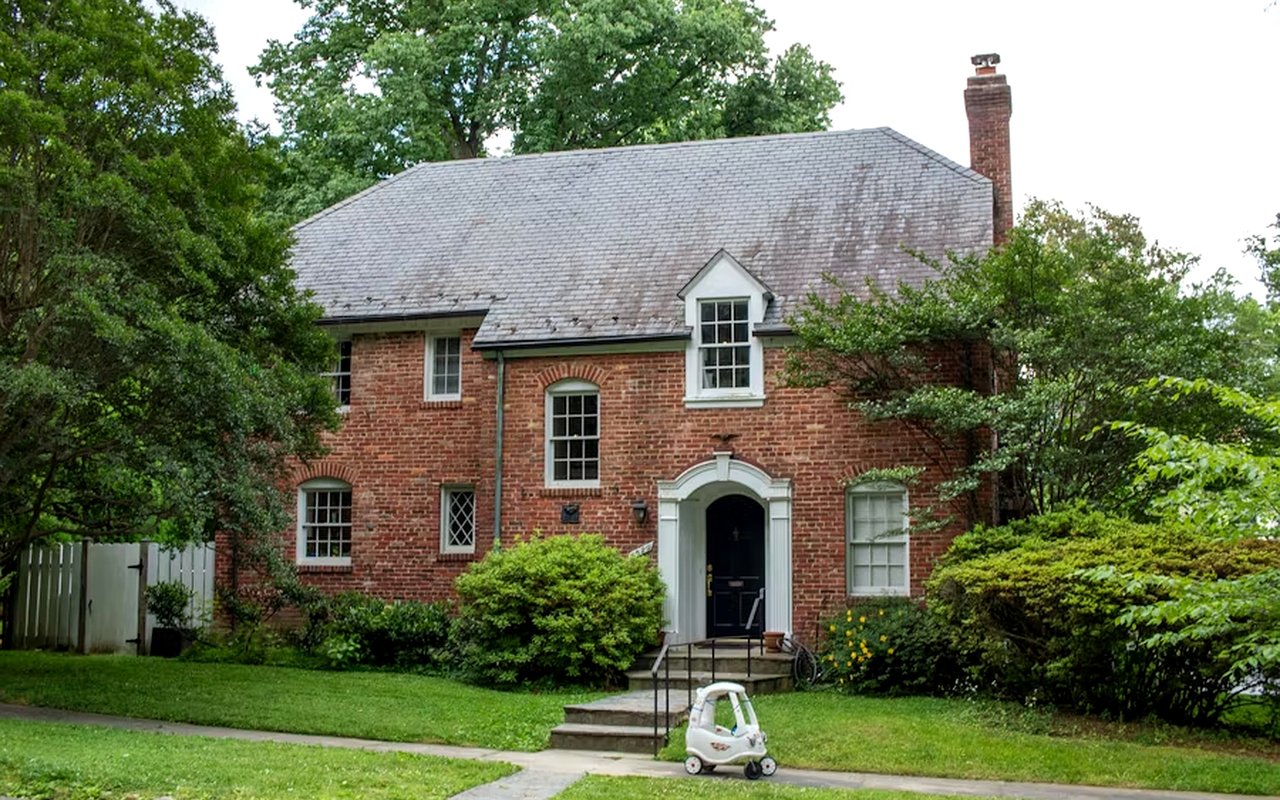
Washington, DC housing presents a unique technical challenge due to its age, density, and regulatory environment. Many homes were built long before modern wiring standards, yet contemporary expectations now include integrated systems that improve daily living without altering historic character.
From rowhouses in Capitol Hill to detached homes in Upper Northwest, technology upgrades must work within masonry walls, limited footprints, and preservation guidelines. In this market, the challenge is not innovation as much as integration, since systems succeed only when they respect architecture, neighborhood norms, and the lived rhythm of the home.
Key Takeaways
- AI-driven climate and lighting synchronization that stabilizes daily comfort.
- Hidden tech, including invisible audio and architecture-friendly displays.
- Biometric access and proactive AI monitoring designed for privacy-first living.
- Future-ready infrastructure that protects long-term value without invasive retrofits.
Residential Technology in Washington, DC: Integration Without Interruption
Washington’s housing stock presents a unique technical reality: much of the city was built long before modern systems were imaginable, yet refined homes are expected to operate with precision, comfort, and security. Technology succeeds here only when it respects architecture, preservation requirements, and the practical constraints of masonry walls and limited cavities.
The most effective smart homes in Washington do not announce themselves. When properly executed, smart systems function like infrastructure—stabilizing light, temperature, sound, and security without drawing attention to the hardware.
The most effective smart homes in Washington do not announce themselves. When properly executed, smart systems function like infrastructure—stabilizing light, temperature, sound, and security without drawing attention to the hardware.
What defines successful integration in historic and high-end DC homes
- Architectural restraint: Minimal visual impact with concealed wiring paths and discreet devices.
- Regulatory fluency: Install approaches that align with historic district guidelines and renovation realities.
- Reliability over novelty: Systems chosen for consistent performance rather than flashy demonstrations.
- Context alignment: Solutions calibrated to rowhouses, detached homes, and waterfront residences are different.
Discretion is the standard because technology is assumed in Washington’s upper tier rather than marketed as a bonus. The distinction between systems that were planned and systems that were layered on is immediately legible to sophisticated evaluators.
The Sensory Envelope: AI-Driven Comfort and Circadian Lighting
The technical focus represents the peak of residential refinement for those who appreciate an environment where the best smart home features work in the background to stabilize the home’s wellness profile. Comfort in refined homes is achieved through subtle calibration, with lighting responding to time of day and climate systems adjusting incrementally rather than demanding constant input.
This approach is especially critical in historic rowhouses and early twentieth-century residences, where preservation realities and wall construction demand technical restraint. Many of my clients value learning thermostats and automated shading systems that adjust to DC’s shifting sun angles over the Potomac without human intervention.
This approach is especially critical in historic rowhouses and early twentieth-century residences, where preservation realities and wall construction demand technical restraint. Many of my clients value learning thermostats and automated shading systems that adjust to DC’s shifting sun angles over the Potomac without human intervention.
Why circadian integration defines the gold standard
- Circadian lighting systems: LED color temperature and intensity that tracks the sun’s rhythm to support sleep-wake cycles.
- Predictive climate control: Platforms like Ecobee and Nest that learn occupancy habits and respond to local weather patterns.
- Automated motorized shades: Glare and UV management for rooms facing the Georgetown Waterfront and bright western exposures.
- Invisible speaker networks: High-fidelity audio embedded in plaster or paneling that preserves architectural clarity.
These systems are valued less because they are advanced and more because they are reliable and invisible. When environmental control is executed quietly, the home feels consistently calibrated while the technology recedes into the background.
Audio and Visual Discretion: Hidden Sound and On-Demand Screens
Sound and display technology in Washington homes is increasingly concealed within the architecture itself, allowing rooms to remain visually composed. Speakers integrate into walls and ceilings, screens appear only when needed, and control interfaces stay minimal so the home’s design language stays intact.
This discretion matters in areas like Capitol Hill and Cleveland Park, where historic detailing and tight interior proportions can be visually overwhelmed by exposed hardware. The goal is a media experience that feels effortless without turning living spaces into tech showrooms.
This discretion matters in areas like Capitol Hill and Cleveland Park, where historic detailing and tight interior proportions can be visually overwhelmed by exposed hardware. The goal is a media experience that feels effortless without turning living spaces into tech showrooms.
The hallmark features of discreet audio and visual systems
- In-wall and in-ceiling audio: Flush systems designed to blend into plasterwork and millwork.
- Mirror-embedded displays: Bathroom and dressing-area screens that remain hidden until activated.
- Lift-and-reveal televisions: Cabinetry-integrated screens that preserve sightlines and symmetry.
- Minimal control points: Keypads and app control that reduce wall clutter and device sprawl.
When audio and visual tech is resolved with restraint, the home maintains architectural clarity while still supporting modern use. The best setups feel inevitable within the room rather than added for effect.
Proactive Protection: Security as a Silent Guardian
The trend toward proactive monitoring has moved beyond simple alarms toward AI-powered systems that distinguish between routine activity and true risk. In neighborhoods where privacy is currency, effective security solutions are preventative rather than reactive, and they avoid altering how a home presents itself to the street.
Entry is controlled quietly, monitoring runs continuously, and alerts remain intelligent and proportionate. We make sure our clients recognize that these hardened security protocols are essential inclusions in any serious guide to the best smart home features because they support high-performance privacy prized in Washington’s upper bracket.
Entry is controlled quietly, monitoring runs continuously, and alerts remain intelligent and proportionate. We make sure our clients recognize that these hardened security protocols are essential inclusions in any serious guide to the best smart home features because they support high-performance privacy prized in Washington’s upper bracket.
The hallmark features of the modern security circuit
- Biometric entry protocols: Facial recognition and thumbprint access that replaces key dependence.
- AI activity sensors: Systems that detect breaking glass or running water and send targeted alerts quickly.
- Secure cloud management and local processing: Privacy-forward approaches that keep sensitive data controlled.
- App-controlled smart locks: Fast access management for staff, guests, and service schedules with precision.
Security works best when it stays invisible, because the home remains composed while protection stays active. In the District, quiet control and proportionate alerting are often more valuable than conspicuous hardware.
Future-Ready Infrastructure: The Backbone of the Smart Estate
The presence of high-end structured cabling and platform compatibility adds a layer of lifestyle equity to the Washington, DC real estate market. Long-term value is protected by thoughtful infrastructure planning, since adaptable system frameworks allow homes to evolve without invasive retrofitting.
This foresight matters in Washington, where renovation latitude is often limited by building type, historic review, and structural constraints. Buyers recognize the difference between systems that were planned from the outset and those that were layered on later.
This foresight matters in Washington, where renovation latitude is often limited by building type, historic review, and structural constraints. Buyers recognize the difference between systems that were planned from the outset and those that were layered on later.
Infrastructure choices that protect long-term flexibility
- Structured cabling: Hardwired backbone for stability across audio, security, and networking loads.
- Platform interoperability: Matter-ready compatibility that reduces fragmentation and future replacement needs.
- Equipment centralization: Dedicated closets or racks that keep mechanical clutter out of living spaces.
- Service access planning: Clear pathways for upgrades that avoid reopening walls and ceilings.
When foundations are designed correctly, technology can be updated without disrupting the architecture. That continuity supports value because the home stays current while remaining visually and structurally intact.
Neighborhood Sensitivity: Tailoring Tech to Housing Type and Context
Technology expectations vary across the city, so the best solutions are calibrated to architecture and neighborhood norms. A Capitol Hill rowhouse demands a different approach than a detached home in Upper Northwest or a contemporary waterfront residence, because wall construction, floor plans, and privacy needs differ.
Successful integration reflects context, aligning technical capability with the way a home is meant to present and function. This sensitivity keeps systems effective without compromising the neighborhood’s architectural grammar.
Successful integration reflects context, aligning technical capability with the way a home is meant to present and function. This sensitivity keeps systems effective without compromising the neighborhood’s architectural grammar.
How I align systems with DC housing types
- Capitol Hill rowhouses: Low-impact wiring strategies and concealed devices that respect masonry and tight cavities.
- Upper Northwest detached homes: Expanded infrastructure zones and layered environmental control across larger footprints.
- West End and waterfront condos: Compact automation stacks optimized for shared building systems and vertical layouts.
- Historic districts: Preservation-conscious device placement that keeps facades and public rooms visually intact.
Discretion is the common thread, even though the technical approach changes by property type. In Washington’s upper tier, the smartest homes are the ones you do not notice, because design and technology resolve as a single, restrained whole.
FAQs
Which smart home features are most important for historic DC homes?
In historic rowhouses, wireless protocols like Zigbee and Z-Wave are the top-tier choices because they do not require invasive rewiring through 19th-century masonry.
Can I manage my smart home features from a single app?
Yes, in 2026, the industry has moved toward unified ecosystems like Control4 or the "Matter" standard, which let you manage lighting, security, and climate from a single professional-grade interface.
How do these smart features impact the resale value of a District property?
In the high-end Washington market, a home equipped with the best smart home features is often viewed as a "must-have" amenity rather than a novelty. Properties that offer a "turn-key" technological environment consistently attract more sophisticated buyers and can command a significant market premium due to the lifestyle equity they provide.
Contact Daniel Heider Today
Smart systems in Washington, DC need to work within architectural, regulatory, and neighborhood realities. The right approach improves daily living while supporting resale without drawing unnecessary attention.
Reach out to HEIDER for a discussion on which smart upgrades make sense for your home or a property you’re preparing to sell.
Reach out to HEIDER for a discussion on which smart upgrades make sense for your home or a property you’re preparing to sell.